 Legend & Mortar
How to Stock a Spice Cabinet You Will Actually Use
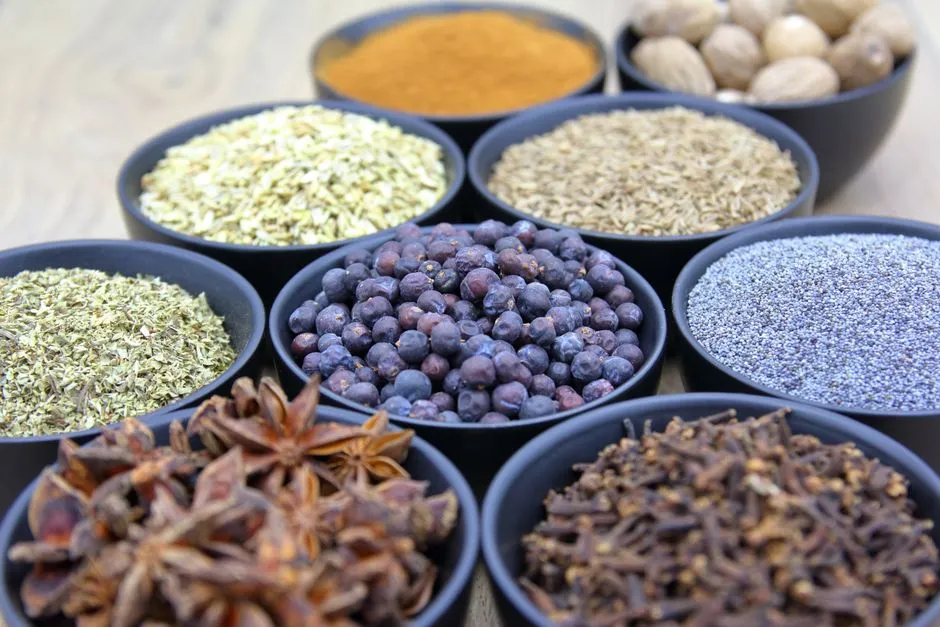
- How do you stock a spice cabinet you will actually use?
- Which spices should you buy first?
- What does a recipe-led shopping list look like?
- Should you buy whole spices, ground spices or both?
- How do you avoid duplicate or mistaken purchases?
- How much should you buy?
- Where should the jars go?
- What should you record when you decant spices?
- How do you rotate the cabinet without buying everything again?
- Sources
How do you stock a spice cabinet you will actually use?
Stock a spice cabinet from recipes you expect to cook, not a universal essentials list. Record each seasoning's exact name, form and amount, check what you already have, then buy only the missing ingredients in manageable quantities. Keep packages identifiable and follow their storage and allergen instructions. A useful cabinet supports your next meals; a larger collection is not automatically a better one.
A cabinet can tell you more about an imagined cooking life than the one happening at dinner. The solution is not another complete starter set. It is a short connection between the recipes on your list and the jars on your shelf.
This is a research-based planning guide, not a product test or a claim that we cooked the examples below. The shopping worksheet is our editorial method. Recipe quantities come from the named authors; follow their complete recipes for preparation and cooking.
Which spices should you buy first?
Choose a few recipes you genuinely want to repeat. Include an ordinary meal, not just a special-occasion project. Read each ingredient list and method before shopping, and write down the seasonings exactly as specified.
Your first list might lean toward baking, bean dishes or another part of your cooking. It need not represent every cuisine. A spice that is central to someone else's daily meals can be an occasional purchase for you, and the reverse is equally true.
Give each proposed purchase a job:
- Repeat use: an ingredient in a recipe already in your regular rotation.
- Scheduled use: an ingredient for a particular recipe you intend to make next.
- Unscheduled interest: something appealing with no recipe or date attached.
Buy from the first two groups before building the third. This is a budgeting preference, not a rule about culinary importance. One unfamiliar ingredient with a clear purpose is more useful than several bought only to fill empty spaces.
Keep dried herbs and seasoning blends on the same practical inventory if you store them together. You do not need a botanical classification system to remember whether you own oregano.
What does a recipe-led shopping list look like?
Here are two source-specific examples, not a balanced menu recommendation or a complete recipe.
PJ Hamel's gingersnaps for King Arthur Baking use 1 to 2 teaspoons ground ginger, 1/2 teaspoon ground cloves and 1 teaspoon ground cinnamon in the cookies. The coating contains another 1 teaspoon cinnamon. The full batch therefore needs 2 teaspoons cinnamon across those two components. A quick scan of the dough list alone would miss half the cinnamon requirement.
Food Hero's vegetarian chili, published by MedlinePlus, lists 1 teaspoon each of oregano, cumin and chili powder. It offers 2 minced garlic cloves or 1/2 teaspoon garlic powder. The garlic powder is an alternative, not an additional compulsory purchase. The list does not specify the cumin's form; preserve that distinction when checking the author's guidance instead of silently rewriting the ingredient.
For a hypothetical cook planning each recipe once, the spice shopping record would be:
| Ingredient as listed | Amount to account for | Shopping decision |
|---|---|---|
| Ground ginger | 1 to 2 teaspoons | Check the existing ground-ginger package |
| Ground cloves | 1/2 teaspoon | Buy only if absent and the recipe is scheduled |
| Ground cinnamon | 2 teaspoons total | Include both dough and coating |
| Oregano | 1 teaspoon | Check the recipe and package description |
| Cumin | 1 teaspoon | Resolve any uncertainty about form before buying |
| Chili powder | 1 teaspoon | Match the intended product, not just its color |
| Garlic powder | 1/2 teaspoon, only if choosing that alternative | Omit from the spice list if using fresh garlic |
This is a spice-only inventory exercise. It deliberately omits the recipes' other ingredients and does not establish suitability for allergies or dietary needs. Read the full recipes and every relevant package before making either dish.
Should you buy whole spices, ground spices or both?
Treat form as part of the ingredient name. The gingersnap example calls for ground cloves, not whole cloves. Buying a whole version creates an extra preparation requirement; it does not automatically make the planned recipe easier.
For your own list, write “whole,” “ground,” “crushed” or the author's other description beside the name. If a recipe is ambiguous, consult its notes or the author before purchasing a different form. Do not convert a whole-spice volume into the same volume of ground spice by assumption.
Buy both forms when you have an actual use for each. Otherwise, the second jar can wait. A cook whose chosen recipes use ground spices does not need to purchase a grinder to qualify as a serious cook.
Our whole-versus-ground guide explores that choice further. For stocking purposes, the immediate question is simpler: does the package match the ingredient and preparation you have chosen?
How do you avoid duplicate or mistaken purchases?
Check the exact label before adding a jar to the basket. A product called a seasoning mix may contain several ingredients. Keep its name and ingredient list with your notes rather than assuming it replaces one individual spice in a recipe.
Use a small phone list with three fields: ingredient, form and location. “Cinnamon; ground; baking basket” is enough. If you buy a replacement, mark it as a sealed spare instead of opening both packages.
Do the same check for items with similar names. If the recipe specifies a particular pepper, blend or variety, do not simplify the shopping entry to “red spice.” Ask the recipe author about substitutions when the intended product is unclear.
Allergy checks take priority over convenience. The FDA advises reading food labels and avoiding foods you are allergic to. Do not treat a single-spice name or a familiar blend as an assurance of suitability. Follow the affected person's clinician-directed allergy plan.
For product-specific uncertainty, contact the manufacturer before using it. McCormick's FAQ, for example, tells shoppers to check current packaging because formulas can change and invites questions about particular ingredients. That is guidance from one manufacturer, not a guarantee covering every supplier.
How much should you buy?
Separate the amount needed for the next recipe from the package size available in the shop. A recipe written in teaspoons and a package sold by weight are different measurements. Do not invent a teaspoon-to-gram conversion to make the arithmetic look tidy.
Start with the smallest practical package that meets your planned use, then reconsider after you know your actual purchasing pattern. There is no need to buy a large refill solely because its unit price is lower.
Here is a fictional price exercise, with invented amounts and prices rather than a market comparison. Suppose the same product is offered as 25 grams for $3 or 75 grams for $6. The smaller package costs $0.12 per gram; the larger costs $0.08 per gram. The larger package has the lower unit price but requires $3 more upfront and contains 50 grams more.
Neither calculation tells you how much you will use, how long its quality will satisfy you or whether you have suitable storage. If you have no plan for the additional quantity, the smaller purchase may fit your budget better. That is an editorial purchasing judgment, not a claim that small packages are always better value.
Where should the jars go?
Choose the storage location before buying a rack. University of Minnesota Extension places shelf-stable foods including spices in a clean, dry, cool area, away from unsuitable locations such as above the stove or under the sink.
Keep this cabinet for dry pantry seasonings; storage requirements for wet pastes, sauces and other products come from their own labels. A neat shelf does not make different foods interchangeable.
For dry spices, McCormick recommends tightly capped containers away from heat, moisture and direct sunlight, and a dry measuring spoon rather than sprinkling from the jar into a steaming pot. Follow any more specific instructions on the product you buy.
Then organize for retrieval: labels on top for a drawer, labels facing forward on a shelf. Group by the way you look for ingredients, whether alphabetical or by familiar recipes. This is a usability choice, not a preservation technique. More ingredient guides can help with the individual products your recipes require.
What should you record when you decant spices?
Matching jars are optional. If you use them, keep the original package information rather than retaining only the spice name. Our suggested record includes the manufacturer, exact product name, ingredients, allergen information, lot code and printed date, plus your opening date.
That opening date is a record, not a new expiry calculation. Do not relabel an older product as fresh simply because it has moved into another container. Keeping different lots separate also makes the record easier to follow.
The reason for preserving identifiers is practical: FDA recall notices can identify products by package details, UPC, lot codes and dates. If a notice affects your product, follow its specific instructions. Do not pass recalled food to someone else or feed it to a pet.
A photograph can supplement the original label, provided all relevant text is legible. If you cannot match a questionable product to the notice, ask the recalling firm rather than assuming that the jar is unaffected.
How do you rotate the cabinet without buying everything again?
Before the next shopping trip, check the ingredients required by the next recipes. Put opened, suitable stock ahead of a sealed replacement, while respecting package instructions. Note items you repeatedly skip. You can stop rebuying an unused spice without immediately replacing it with another one.
Keep quality and safety decisions separate. A pleasing aroma is not a safety clearance. The FDA's spice-safety assessment addresses pathogens in spices; its consumer advice does not recommend changing spice consumption or use. It does not provide a universal home treatment that makes a suspect product safe.
If you find insects in stored food, University of Minnesota Extension recommends discarding the infested food and cleaning the storage area. Check other susceptible products. Do not try to save infested spices for cooking. An inventory worksheet cannot certify contaminated food as usable.
Finish each review with a short decision: keep for a named recipe, replace when needed, or do not rebuy. Over time, the cabinet becomes a record of meals you actually make, with room for the next ingredient you genuinely want to learn.
Sources
- King Arthur Baking: PJ Hamel's gingersnaps.
- MedlinePlus and Food Hero: vegetarian chili.
- FDA: food allergies and label reading.
- McCormick: product, ingredient and storage FAQ.
- University of Minnesota Extension: kitchen food storage.
- FDA: understanding and following food recalls.
- FDA: questions and answers on spice safety.
- University of Minnesota Extension: pantry pests.
Frequently asked questions
What spices should every beginner buy?
Start with the seasonings in recipes you actually plan to cook, rather than treating one list as compulsory for every kitchen. Record the exact names and forms, check existing packages and buy the missing items. Follow product labels and any clinician-directed allergy plan; an essential-spices list cannot establish dietary suitability.
Do I need both whole and ground spices?
Only when your chosen recipes give you a use for both. Treat the form as part of the ingredient name and follow the recipe's preparation instructions. Buying whole cloves when a recipe needs ground cloves adds a preparation task. Do not assume equal volumes of whole and ground spices are interchangeable.
Is a large spice package always better value?
No. A lower unit price can require a higher total spend and leave you with more than you intend to use. Compare prices using the same weight unit, then consider your actual plans and storage. Do not convert recipe teaspoons to package grams without an appropriate ingredient-specific basis.
Should I throw out the label when filling matching jars?
Keep the original product information, including ingredients, allergen details, lot code and printed date. A clear photograph can supplement the package. These identifiers help you compare a jar with a recall notice. Follow the notice's instructions for an affected product; transferring spices does not create a new freshness date.
Can smell tell me whether a spice is safe?
No. Aroma is not a safety test or a way to clear a recalled product. Follow product-specific recall instructions, and discard insect-infested food rather than trying to rescue it for cooking. Check other susceptible pantry items and clean the storage area. Label and handling information matter even when a spice smells familiar.