 Legend & Mortar
How to Toast Whole Spices Without Burning Them
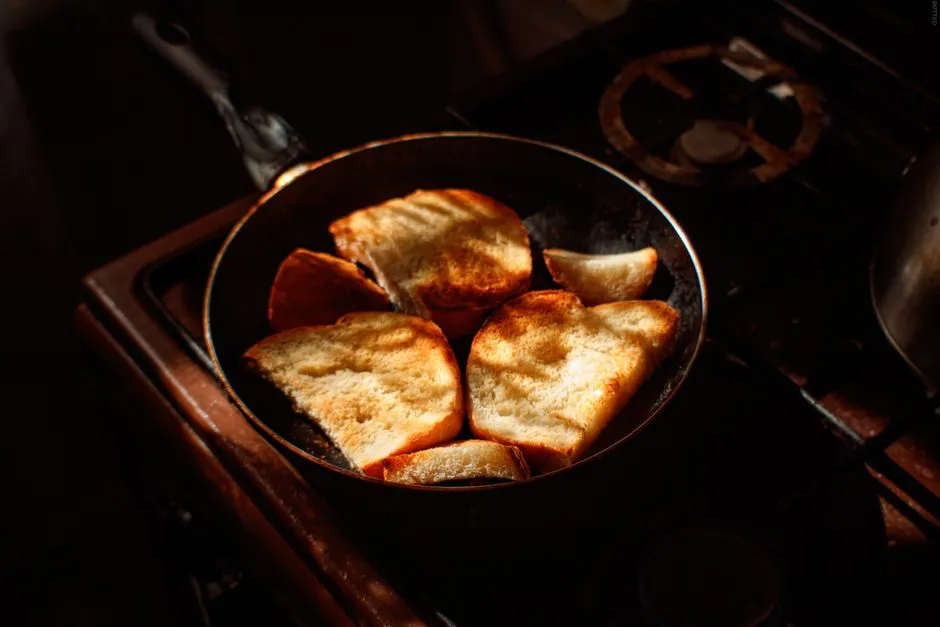
Toast whole spices gently and follow the aroma
To toast whole spices, place them in a dry skillet over low to medium heat and keep them moving. Remove them as soon as they smell distinctly fragrant and look slightly deeper in color, before they smoke or turn dark. Transfer them to a cool plate immediately so the hot pan does not continue cooking them.
This quick technique suits sturdy whole spices such as cumin, coriander, fennel, and peppercorns. It can make their aroma feel fuller before they are ground or added to a dish.
What to gather first
You need a clean, dry skillet, a spatula or a way to swirl the pan, and a cool plate. A light-colored pan makes color changes easier to see, but any responsive skillet can work if you watch closely.
Measure the spices before heating the pan. Toast only the amount you plan to use, because the newly released aromas begin fading once the spices cool and are ground. Keep water and oil out of the skillet: this is dry toasting, which is different from blooming spices in fat.
If your blend contains noticeably different shapes or sizes, separate them. A small cumin seed can be ready before a large cardamom pod. Toasting each kind on its own gives you control, and you can combine them after cooling.
How to toast whole spices step by step
1. Start with a dry pan
Set the skillet over low to medium heat. Add the whole spices in a single loose layer. A crowded mound heats unevenly, so work in batches if necessary.
2. Keep the spices moving
Swirl the skillet or stir continuously. Movement exposes different sides to the hot surface and reduces the chance that one spot will scorch. Do not walk away; the change from fragrant to burnt can be quick.
3. Use several readiness cues
Your nose is the best guide. The raw or dusty smell should become warmer and more pronounced. Seeds may deepen slightly in color, and some may make quiet popping sounds. No single cue applies to every spice, so use aroma and appearance together.
Visible smoke, a harsh smell, or black patches mean the spices have gone too far. Burnt spices bring bitterness to the dish and are better discarded than rescued.
4. Stop the cooking immediately
Tip the spices onto the waiting plate rather than leaving them in the skillet. Spread them out and let them cool fully. A hot spice can create steam inside a grinder and may be less pleasant to handle.
5. Grind or use as directed
Once cool, grind the spices with a mortar and pestle or a grinder reserved for spices, or leave them whole if the recipe calls for an infusion. For help deciding which form fits the dish, see the guide to whole vs. ground spices.
Dry toasting is not blooming
Dry toasting puts whole spices directly against a hot pan. Blooming heats spices in oil or another cooking fat, which carries their aroma into the dish. Both methods can develop flavor, but they are not interchangeable steps.
Dry-toast whole spices when you want a roasty note or plan to grind them for a blend. Bloom spices when the recipe builds its flavor in fat at the start or near the finish. Ground spices can scorch rapidly in a dry skillet, so follow the recipe rather than treating them like whole seeds.
Explore more stove-ready methods in Spice Techniques.
Common mistakes and simple fixes
- Using high heat: Lower the heat and allow the aroma to develop gradually.
- Mixing uneven pieces: Toast different sizes separately, then combine them.
- Waiting for dramatic color: Fragrance often arrives before a major visual change.
- Leaving spices in the pan: Move them to a plate the moment they are ready.
- Grinding while hot: Cool them first to avoid trapped heat and moisture.
- Trying to save a burnt batch: Start again; a small fresh batch is better than bitterness throughout the meal.
A reliable finish
Successful toasting should make a spice more expressive, not charred. Work with a modest amount, keep it moving, and let aroma—not the clock—tell you when to stop. Once you recognize that fragrant turning point, the method becomes easy to repeat across many whole spices.
Frequently asked questions
How long does it take to toast whole spices?
There is no dependable time for every spice or pan. Small seeds heat faster than large pods, and burner strength varies. Stay beside the skillet and stop when the aroma becomes pronounced and the color deepens slightly. If the spices smoke or smell harsh, they have begun to burn.
Should you toast spices before grinding them?
You can toast sturdy whole spices before grinding when you want a warmer, more developed aroma. Let them cool fully first. Toast only what you need and follow the recipe, since not every dish benefits from a roasted note and delicate spices can lose nuance with excess heat.
Do you use oil when toasting spices?
Not for dry toasting. Put whole spices directly into a dry skillet. Heating spices in oil or another fat is usually called blooming or tempering, and it serves a different purpose by flavoring the fat. Use the method named in the recipe rather than adding oil automatically.
Can you toast ground spices in a dry pan?
Ground spices have far more surface area exposed to heat and can scorch quickly. It is generally easier to warm them briefly in cooking fat as part of a recipe. If a trusted recipe specifically calls for dry heating, use gentle heat and watch continuously.
Can different whole spices be toasted together?
Spices of similar size and density can sometimes toast together, but a mixed batch is harder to control. Small seeds may burn before large pods become fragrant. For predictable results, toast noticeably different spices separately, cool them, and combine them afterward.
What should you do with burnt spices?
Discard them and begin again with a clean skillet and lower heat. Scorched spices taste harsh and bitter, and adding more ingredients will not reliably hide that flavor. Because a spice batch is usually small, restarting protects the entire dish.