 Legend & Mortar
Whole vs. Ground Spices: When to Use Each
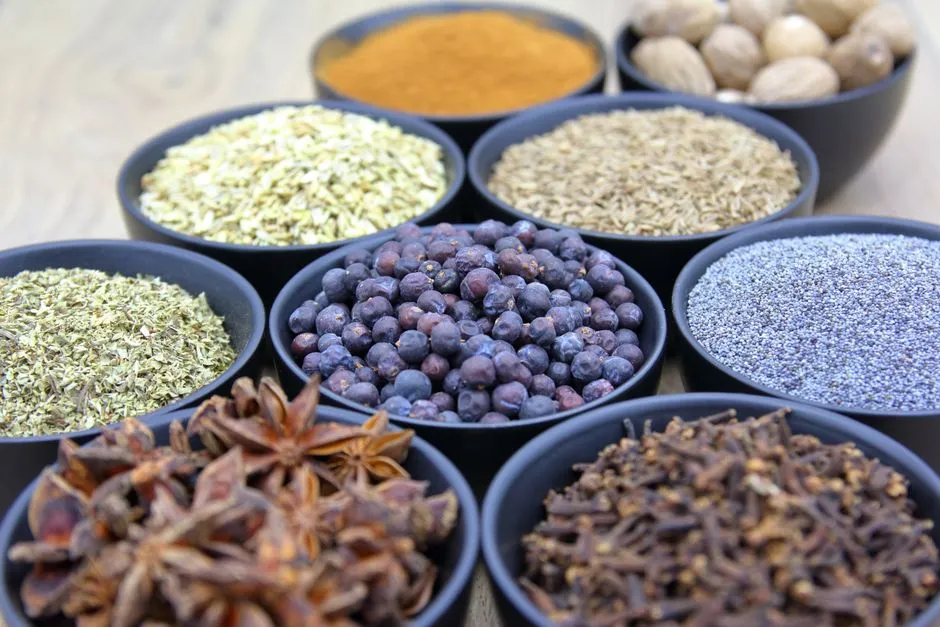
Choose the form that fits the job
Whole spices are best when you want slow infusion, easy removal, or the option to toast and grind them fresh. Ground spices are best when you need fast, even distribution through a batter, sauce, rub, or seasoning blend. Neither form is universally better; the recipe and cooking method should decide.
Grinding exposes more of a spice to air and food. That helps its flavor spread quickly, but it also means its aroma tends to fade sooner in storage. An intact seed, pod, bark, or berry releases its character more gradually.
Whole vs. ground spices at a glance
| Question | Whole spices | Ground spices |
|---|---|---|
| How does flavor enter the dish? | Gradually through infusion or after grinding | Quickly and throughout the mixture |
| Where do they work well? | Broths, braises, rice dishes, hot drinks, fresh blends | Sauces, batters, rubs, dressings, quick dishes |
| Can you remove them? | Often, especially larger pieces | No; they disperse into the food |
| Can you toast them? | Yes, with careful dry heat | They scorch easily; follow the recipe |
| Storage advantage | Aroma is usually protected longer while intact | Convenient, but aroma fades more readily |
When whole spices make more sense
Choose whole spices when a liquid or cooking fat has time to draw out their flavor. Cinnamon sticks, peppercorns, cardamom pods, cloves, and similar pieces can perfume a broth or drink and then be strained or picked out before serving.
Whole cumin, coriander, fennel, and other seeds also give you the option to toast and grind only what you need. That extra step is useful when fragrance is central to the dish. The method in how to toast whole spices explains how to stop before scorching.
Texture matters. A recipe may intentionally keep seeds whole for small bursts of flavor, or it may expect you to remove larger woody pieces. Do not assume every whole spice is meant to be eaten. Follow the recipe's directions and tell diners when hard pieces may remain.
When ground spices are the practical choice
Ground spices distribute through foods where a whole seed or shard would be awkward. Think of cinnamon in cake batter, cumin in a smooth sauce, or paprika in a dry rub. Powdered spices also work when cooking time is short because much of their surface is already exposed.
Convenience is a valid reason to choose them. If using a grinder would keep you from making the dish, a fresh jar of ground spice is the useful option. Buy amounts you can use while their aroma is lively, close the container promptly, and keep it away from heat, light, and moisture.
Ground spices can clump or scorch when added directly to intense heat. Many recipes protect them by stirring them into cooking fat briefly or adding liquid soon afterward. Trust the sequence in a reliable recipe.
Can you substitute one form for the other?
Sometimes, but not by a universal ratio. Grinding changes volume and how quickly flavor is released, and different spices vary in shape and density. A spoonful of whole peppercorns does not behave like the same volume of ground pepper.
If a recipe depends on whole pieces for straining, infusion, or texture, ground spice may make the result cloudy, gritty, or unexpectedly strong. If it depends on a powder dispersing through dough or a rub, whole pieces will not do the same job.
When substitution is unavoidable, consult a source specific to that spice and recipe. Start cautiously, taste when it is safe to do so, and adjust. Avoid presenting one conversion as a rule for every spice.
Freshness is something you can smell
Dates on a package can help with rotation, but aroma is the most useful kitchen check. Rub or crush a small amount. A spice that smells faint may still be usable, yet it will contribute less character. Replace spices that show moisture, mold, pests, or an off odor rather than merely adding more.
Store both forms in tightly closed containers in a cool, dry, dark cupboard—not above a steamy stove. Shake spices into a small dish instead of holding the jar over a bubbling pot, where steam can enter the container.
Browse Ingredient Guides for more practical decisions about the spice shelf.
The simple decision rule
Use whole spices for gradual infusion, removal, texture, or grinding fresh. Use ground spices for speed, smoothness, and even coverage. When a tested recipe specifies one form, treat that form as part of the method rather than a decorative choice.
Frequently asked questions
Are whole spices better than ground spices?
Not in every dish. Whole spices suit slow infusions, fresh grinding, and recipes where pieces can be removed. Ground spices suit smooth mixtures and quick, even seasoning. In everyday home cooking, freshness and technique matter more than declaring one form universally superior.
Do whole spices have more flavor?
Whole spices often protect their aroma longer because less surface is exposed to air. Once ground, they can smell especially vivid but begin losing aroma more readily. The perceived strength in a finished dish also depends on heat, cooking time, quantity, and how the spice is added.
Can you replace whole spices with ground spices?
Sometimes, but there is no reliable conversion that covers every spice. Ground spice releases flavor faster and cannot be removed after it disperses. Use guidance for the specific ingredient and recipe, particularly when whole pieces are intended for straining, texture, or gentle infusion.
Why do recipes add whole spices first?
Early addition gives whole spices time to release flavor into cooking fat or liquid. Some methods briefly heat them in oil, while others simmer them in a broth or sauce. The exact sequence is part of the recipe, so watch for instructions about heat and later removal.
How should whole and ground spices be stored?
Keep both in tightly closed containers in a cool, dry, dark cupboard. Avoid storing them over a hot, steamy stove, and do not shake a jar directly over a bubbling pot. Moisture, heat, light, and air all work against quality.
How can you tell whether a spice is still good?
Crush or rub a small amount and smell it. A weak aroma usually signals diminished quality rather than immediate danger. Discard the spice if you see moisture, mold, or pests, or notice an off odor. Follow any storage directions printed on the package.